
Stated · Vigil assessment
Objectives
What the 6 actors this module authors a posture for are trying to achieve — stated positions and Vigil’s assessments, kept apart. Every other party appears under Profiles without one.
EnergySanctionsMaritimeDisplacementForeign intervention
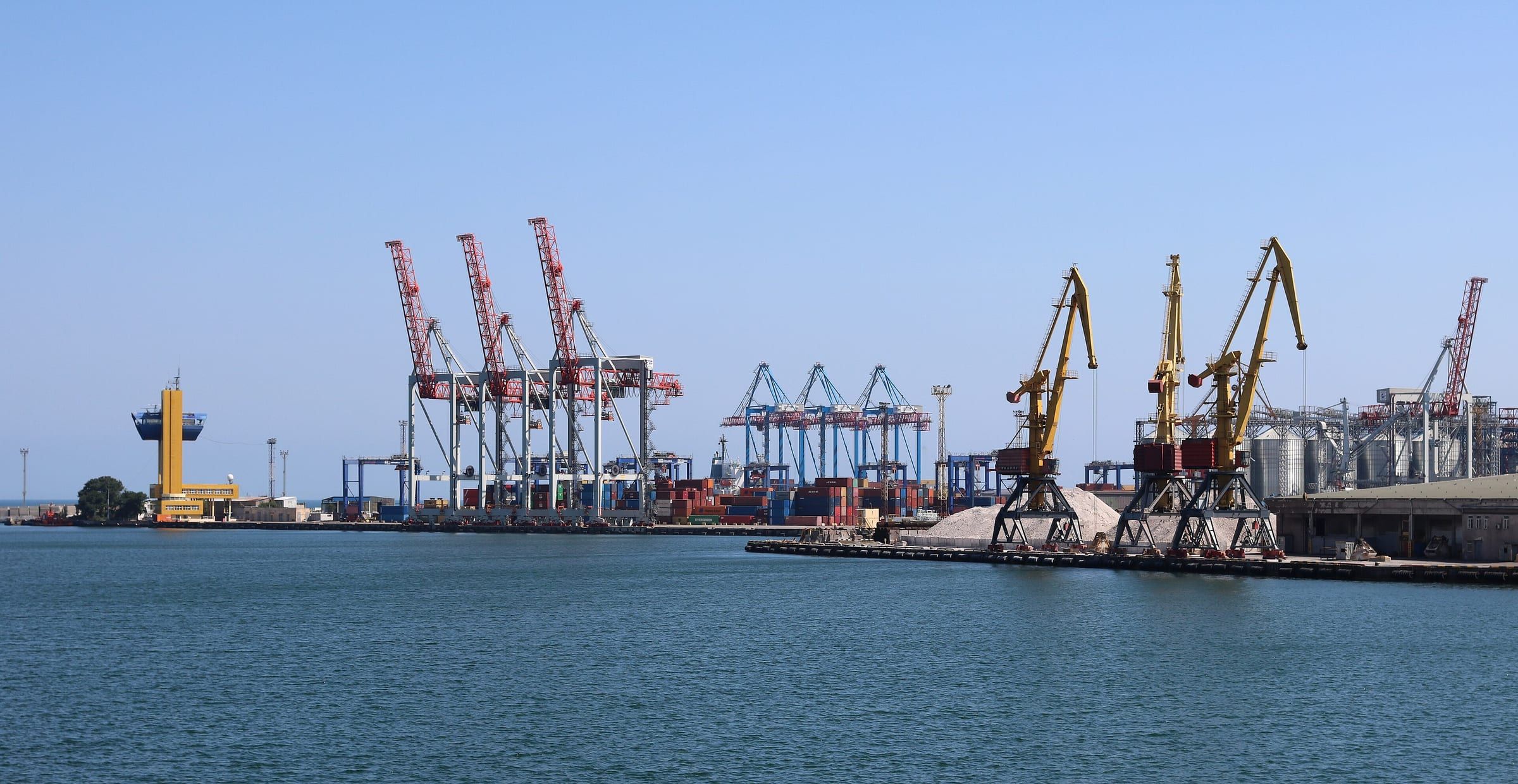
Odesa Commercial Sea Port, 3 September 2017. Container gantries, general-cargo cranes and grain silos on the quays through which most Ukrainian seaborne export moves. The frame predates the 2022 invasion and everything the grain-corridor arrangements later did to this port.George Chernilevsky · public domainImage: A working sea port seen across open water: container gantry cranes, tall general-cargo cranes and cylindrical grain silos ranged along a quay.
Current state
Graded per item · As of 2026-07
The largest interstate war in Europe since 1945, now an attritional contest of industrial capacity, manpower, and political endurance. Its outcome will set the price of territorial aggression for a generation — which is why capitals far from Kyiv treat it as a referendum on their own security.
Why it matters
This is the war that decides whether borders in Europe can be changed by force, and every capital that has ever relied on that assumption is answering the question with its budget. It has also become the reference case for how modern industrial war is actually fought — drone saturation, deep strike against infrastructure, ammunition production as a strategic variable — which is why states with no stake in Ukraine study it as a preview of their own contingencies.
6 points, composed from this conflict’s own sourced records — nothing here is a new claim.
Russia annexed Crimea and backed a war in the Donbas after the Euromaidan protests removed a pro-Moscow president. The February 2022 full-scale invasion escalated a conflict that was already eight years old, which is why both sides entered it with fixed positions rather than open ones.
Russia's attempt to take Kyiv in days collapsed within weeks. What followed was not the war either side planned for: a long attritional contest across a roughly thousand-kilometre front, fought for ground measured in villages.
Artillery ammunition, drones, interceptors and trained infantry are the binding constraints on both sides. European rearmament, Russian defence output and North Korean shell supply are front-line variables, not background economics.
Cheap reconnaissance and strike drones on both sides made the approaches to the line dangerous for anything that moves. That is the main reason offensives on both sides advance slowly and at high cost.
Russia strikes Ukraine's electricity grid seasonally; Ukraine strikes Russian refineries, airbases and the Black Sea Fleet. Both campaigns aim at the other side's capacity to sustain the war rather than at its army.
Western weapons, money and intelligence, and Russian access to Iranian designs, North Korean shells and Chinese components, all move with politics elsewhere. A six-month interruption in US aid in 2023–24 showed up on the front within weeks.
Stated · Vigil assessment
What the 6 actors this module authors a posture for are trying to achieve — stated positions and Vigil’s assessments, kept apart. Every other party appears under Profiles without one.
Vigil assessment
What limits those options. A constraint is a structural limit, not a risk rating.
Vigil assessment · Observed
The module’s current phase — The drone-saturated long war (2025 – present) — and the newest dated review.
Vigil assessment
The standing arrangements this module authors between its parties. Each line is the record’s own signature; the analysis, dates and sources are on the record.
Observed
The standing questions Vigil is following on this module, each with what its latest review found. The evidence that would change the assessment is on the question.
Vigil assessment · Observed
8 exposure channels and 7 watch items, as of 2026-08.
Vigil assessment · Observed
7 dated figures at regional granularity, each with its own basis, as of 2026-07. No operational detail is published.
Washington set aside the statutory half of its Russia pressure a week after relaxing the licence half. On 16 October an executive order wrote the sanctions act's tariffs into force and waived them in the same text, with most of the act's sanctions sections and no expiry date, two days before the buyer tariff's trigger date; sanctions under the earlier executive orders stand. The "energy ceasefire" the US president announced on 11 October never acquired terms: the Kremlin asked publicly whether it had been specified, Russia struck Ukraine's grid on 13–14 and 16–17 October, and Ukraine ended its own refinery pause on 15 October with a strike at Ryazan. Ukraine's drone defence lost speed when its military satellite terminals were capped, and at the EU summit three governments said they would not join a further €70 billion package for 2027. No ceasefire, negotiating text or interceptor quantity was produced.
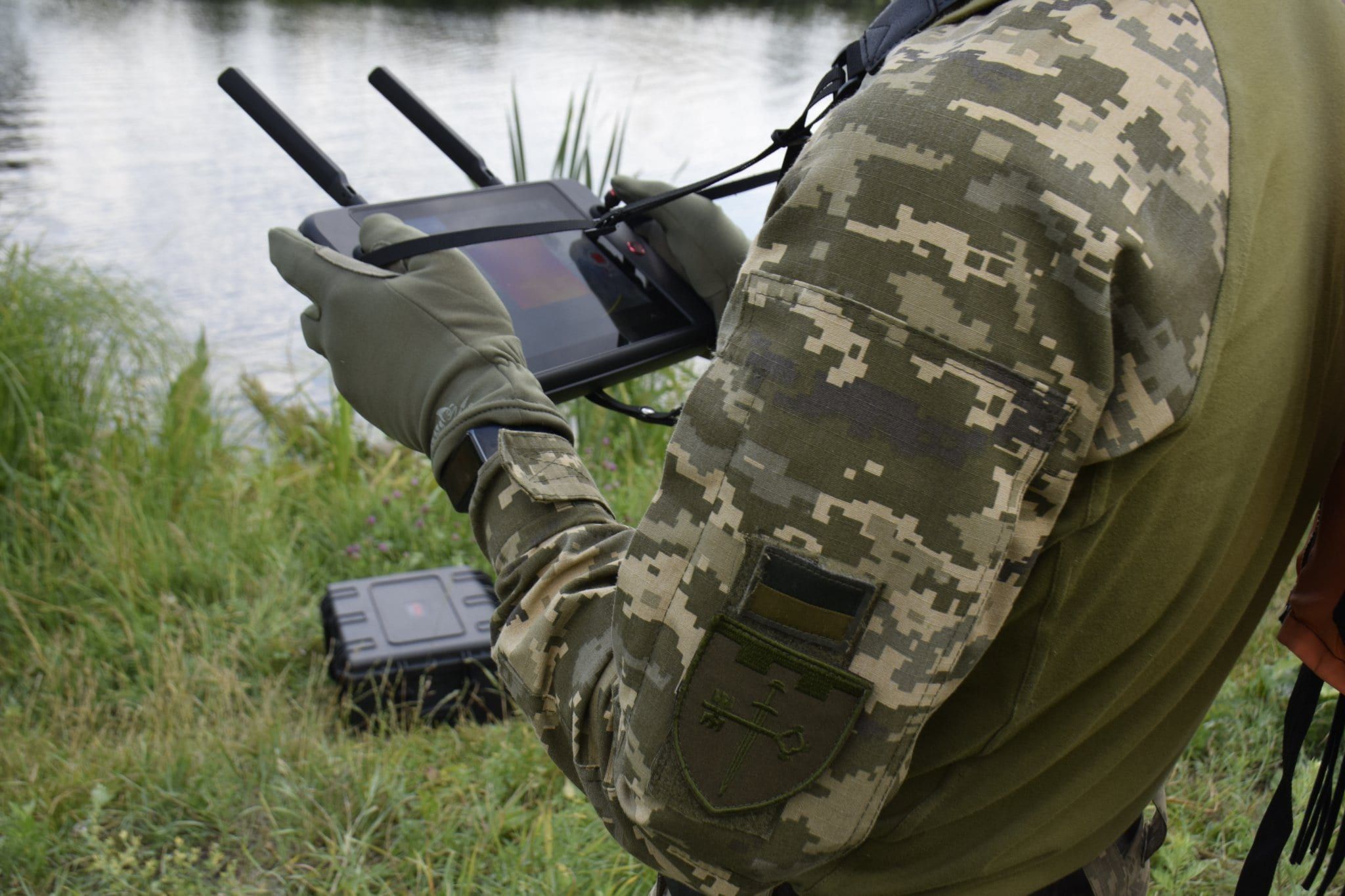
Kyiv has turned four years of drone war into an instrument it announces in the Gulf and will not confirm in the Sahel. The fifteen specialists reported in northern Mali are that instrument's least visible case, not its largest.
Changed in brief — 2026-10-18 · Map updated
Control zones are broad, approximate and contextual. They do not show live unit positions, tactical boundaries, or operational readiness.
Interest rates, labour shortages, National Wealth Fund drawdowns, and the gap between crude revenue and refined-product availability. The war is affordable for Moscow until suddenly it is not, and the indicators will move before the policy does.
Scope of this coverage. This is interstate-war coverage, not a live battlefield tracker: it explains the war through maps, events, actors, force structures, economy and humanitarian impact, and it does not map current tactical positions. It is Vigil's most developed coverage, organised across six linked arenas.
Source registryMethodology Corrections logGlossary
Found an error in Ukraine–Russia coverage? Corrections are logged in public with the date and what changed — see the corrections log.