Analytical Notes

What a development actually means

A Weekly Brief records what changed. An Analytical Note explains one change in depth: how the mechanism works, what constrains it, what to watch next — and, as importantly, what it does not mean. Longer than a brief item, narrower than a conflict’s full coverage.

What does it mean?

Published notes

18 notes · Ukraine–Russia · Levant · Iran–Gulf · NATO Eastern Flank · Syria · Caucasus · Taiwan Strait · Sahel. A note is published when a development needs context rather than a summary — not on a schedule.

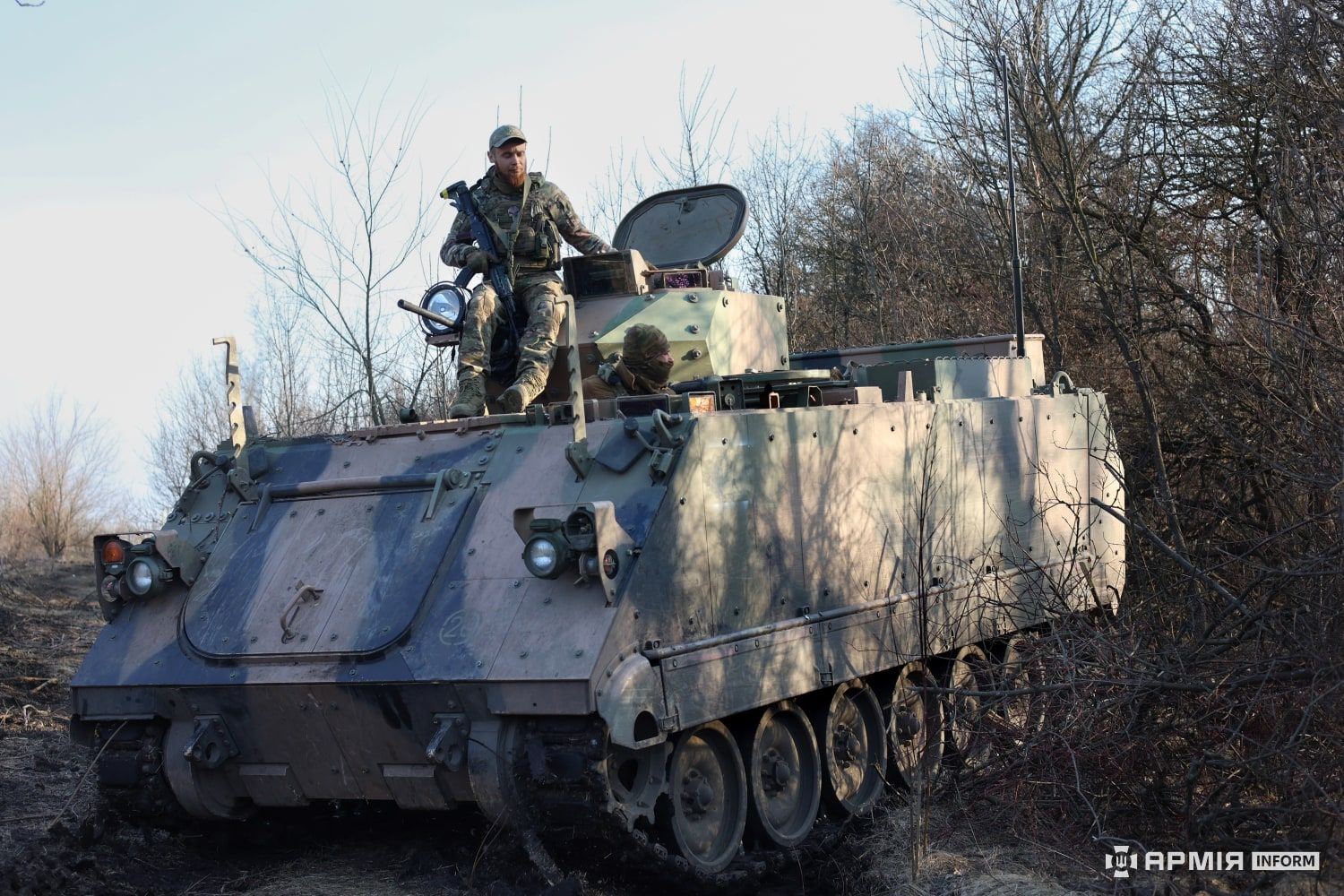
Olena Khudiakova / ArmyInform · CC BY 4.0 · cropped
Image: A bearded soldier holding a rifle sits on the roof of a camouflaged tracked armoured personnel carrier beside an open hatch, while a second crew member in a balaclava looks out of the turret, among bare winter trees under a pale sky.
Analytical NoteStrategic context · Ukraine–Russia

Operation Vivaldi began before the advance. It moved a sector, not the war

Between late May and mid-October 2026 Ukraine's 3rd Army Corps retook a string of villages north of Lyman. The advance was the last stage of a longer process — a sector stabilised, a command reorganised, an operation kept off the map, Russian supply and drones struck first. Its effects reached beyond the ground taken. The eastern front around it is still a war of attrition.
Published 2026-10-20 Confidence: Moderate

Read note

Analytical NoteLeadership & institutions · Levant

What survived Hezbollah's two wars? A force that fought again is on the record. Its old structure is not

In 2024 Hezbollah lost its Secretary-General and the senior commanders whose deaths it confirmed. Fifteen months after the ceasefire it fought Israel again for more than three months, paused its fire on cue and stopped when a ceasefire came. That proves an armed organisation survived and that its command could run a war. It does not prove the military structure that entered 2024 came back: no successor to any military post has been named, the reorganisation is reported only by anonymous sources, and the force that fought in 2026 fought differently.

Published 2026-10-15 Confidence: Moderate

Read note

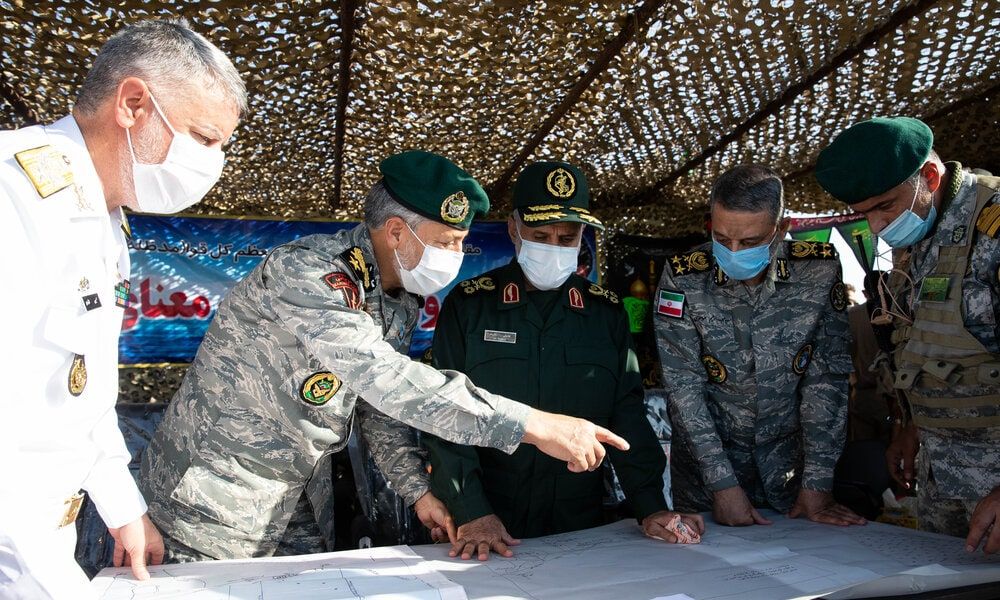
Mohammadreza Abbasi / Mehr News Agency · CC BY 4.0 · cropped
Image: Six officers in face masks lean over a large paper map on a table beneath camouflage netting; an officer in grey-blue camouflage and a green beret points across it, beside an officer in a dark-green uniform and peaked cap, with an officer in naval whites at the left edge.
Analytical NoteLeadership & institutions · Iran–Gulf

Who commands Iran's war? Coordination is on the record. Command below the top is not

Iran is fighting with two armed forces — the Revolutionary Guard and the regular army, the Artesh. One joint headquarters announces their operations, and on 8 April one order in the Supreme Leader's name told every branch to cease fire. Between that order and the forces, the public record shows coordination: a headquarters that speaks for both, a strait divided between two navies, two strike campaigns each run and claimed by its own service. It does not show any headquarters tasking, redirecting or restraining both — and in August the Leader ordered the joint headquarters merged into the General Staff.

Published 2026-10-05 Confidence: Moderate

Read note

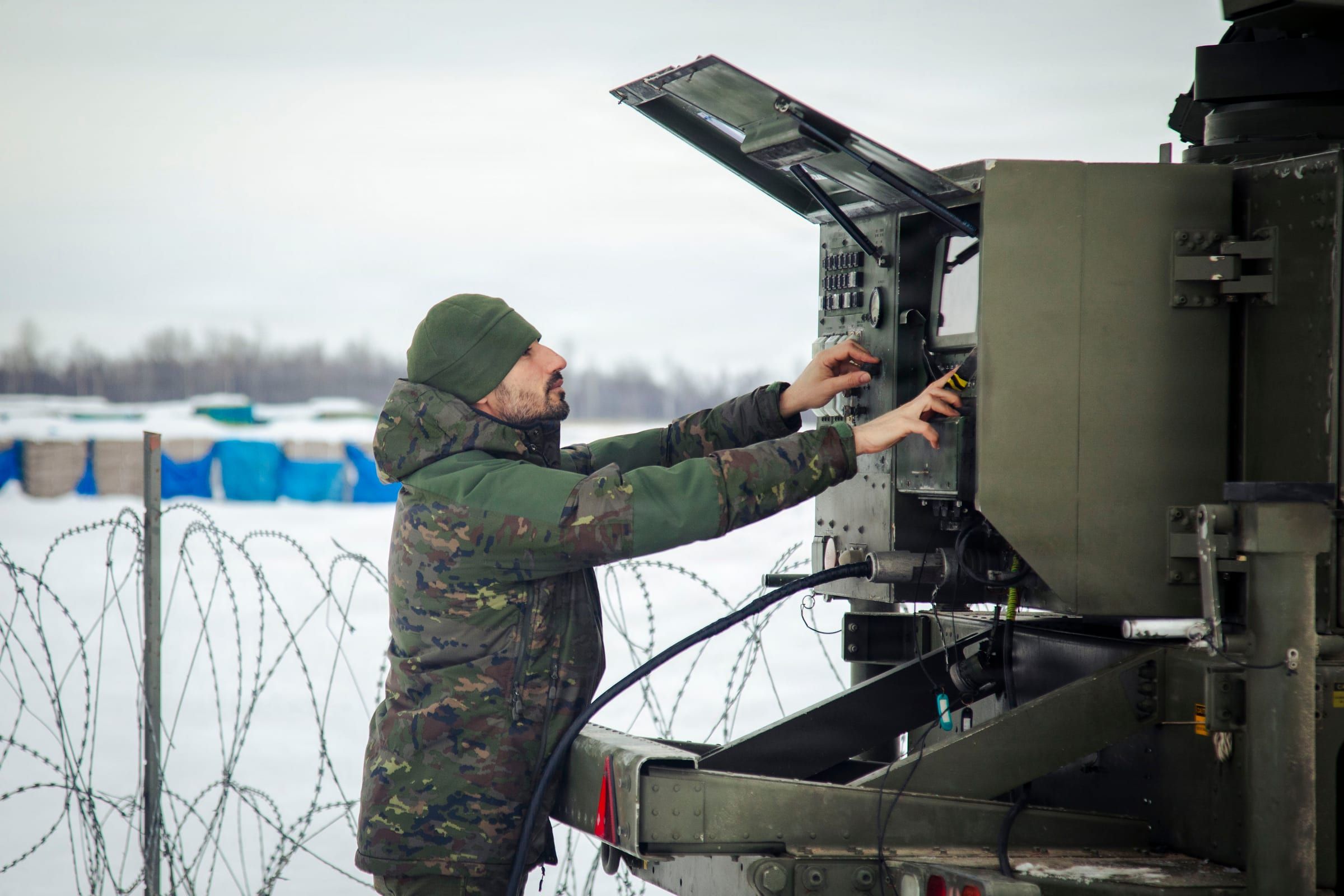
US Army / DVIDS · public domain · resized
Image: A soldier in woodland camouflage and a green knit cap reaches into the open control panel on the side of a large olive-green radar vehicle, with snow-covered ground, coils of concertina wire and blue-covered stacks behind him under a grey sky.
Analytical NoteStrategic context · NATO Eastern Flank

Baltic air policing became air defence. The layers beneath it are still arriving

On 1 August 2026 the fighters that had policed Baltic airspace since 2004 began flying an air defence mission against drones and cruise missiles as well as aircraft. NATO changed the mandate and the authority to engage. The ground-based and counter-drone layers that make air defence more than fighters are mostly national, at very different stages — and NATO does not say which of them serve the mission.

Published 2026-10-01 Confidence: Moderate

Read note

Imrich / Wikimedia Commons · CC BY 3.0 · cropped
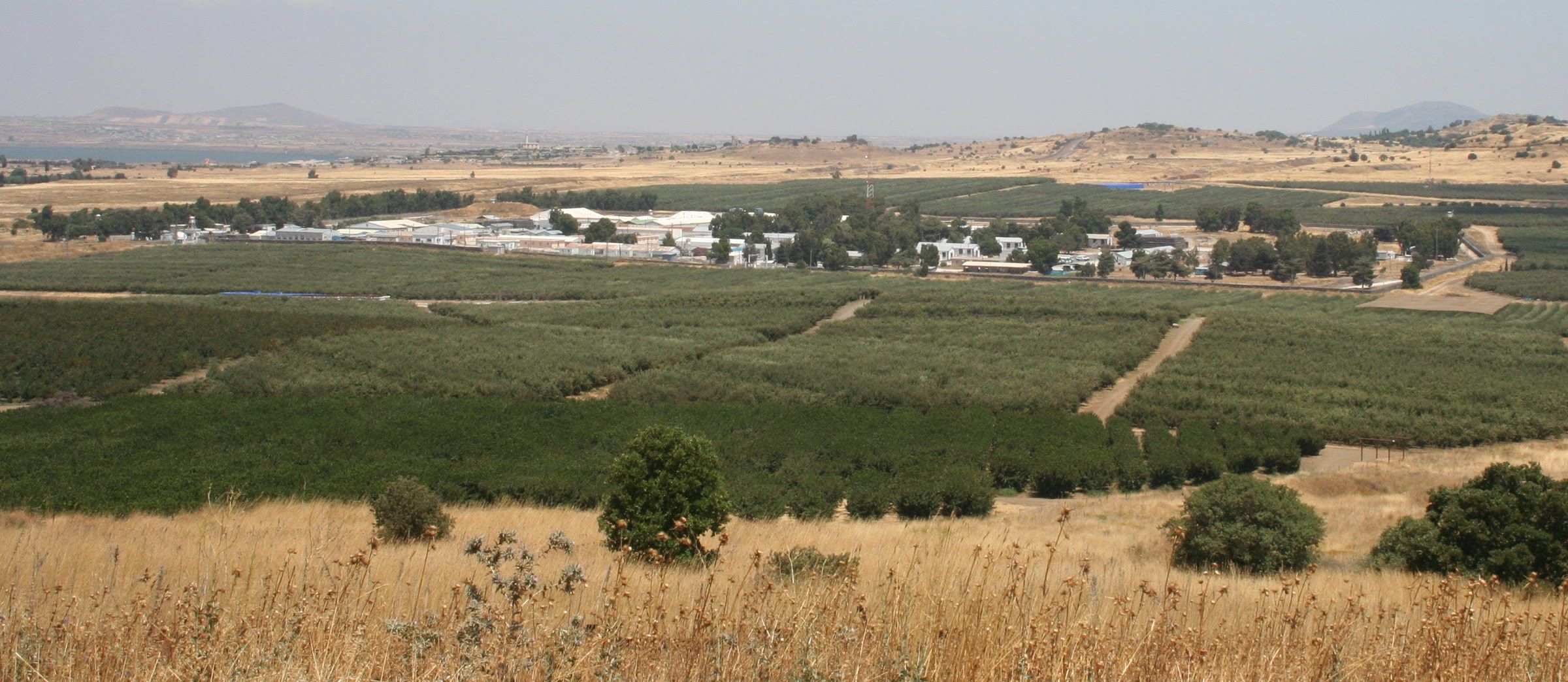
Image: A cluster of low white buildings among trees in a wide plain of orchards, with dry grass in the foreground and low hills and a lake on the horizon.
Analytical NoteStrategic context · Syria

Israel's posture in southern Syria: the air strikes fell away, the positions stayed

Vigil's record of Israeli strikes in Syria all but empties in 2026. The posture did not empty with it. It now rests on ground Israel holds beyond the 1974 line, on raids and detentions around that ground, and on a negotiation over the terms on which it would change — terms the two governments put in opposite order.

Published 2026-09-29 Confidence: Moderate

Read note

Clay Gilliland / Flickr · CC BY-SA 2.0 · cropped
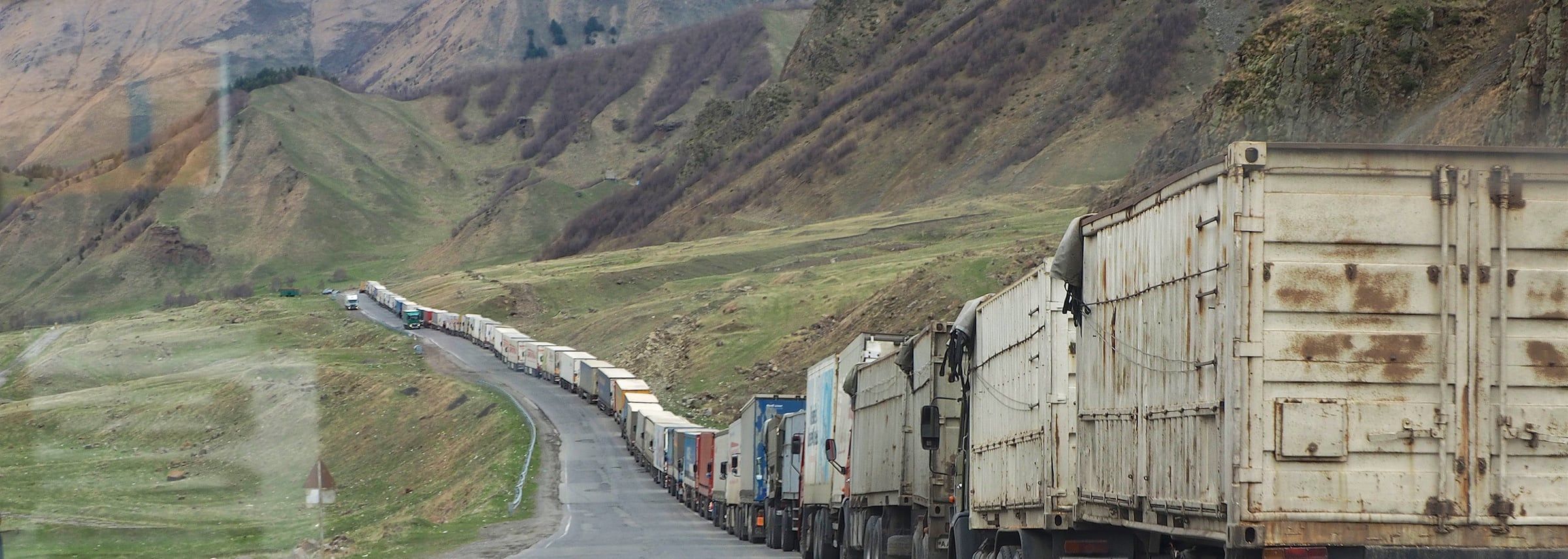
Image: A long line of articulated lorries with white and rust-streaked box trailers parked along the right side of a mountain road, stretching from the foreground into the far distance up a grassy valley between steep brown slopes.
Analytical NoteEconomic structure · Caucasus

Russian leverage over Armenia: the market was the lever pulled; gas is the one Armenia cannot yet replace

Russia's 2026 restrictions closed the market that buys four-fifths of Armenia's food and drink, and the EU answered with tariff access. That is the channel Armenia can work around, slowly. The gas that powers the country has only been threatened, and nothing built so far could replace it. Both are terms of an EAEU membership the other members have now asked Armenia to put to a vote.

Published 2026-09-28 Confidence: Moderate

Read note

Wang Yu Ching / Office of the President · CC BY 4.0
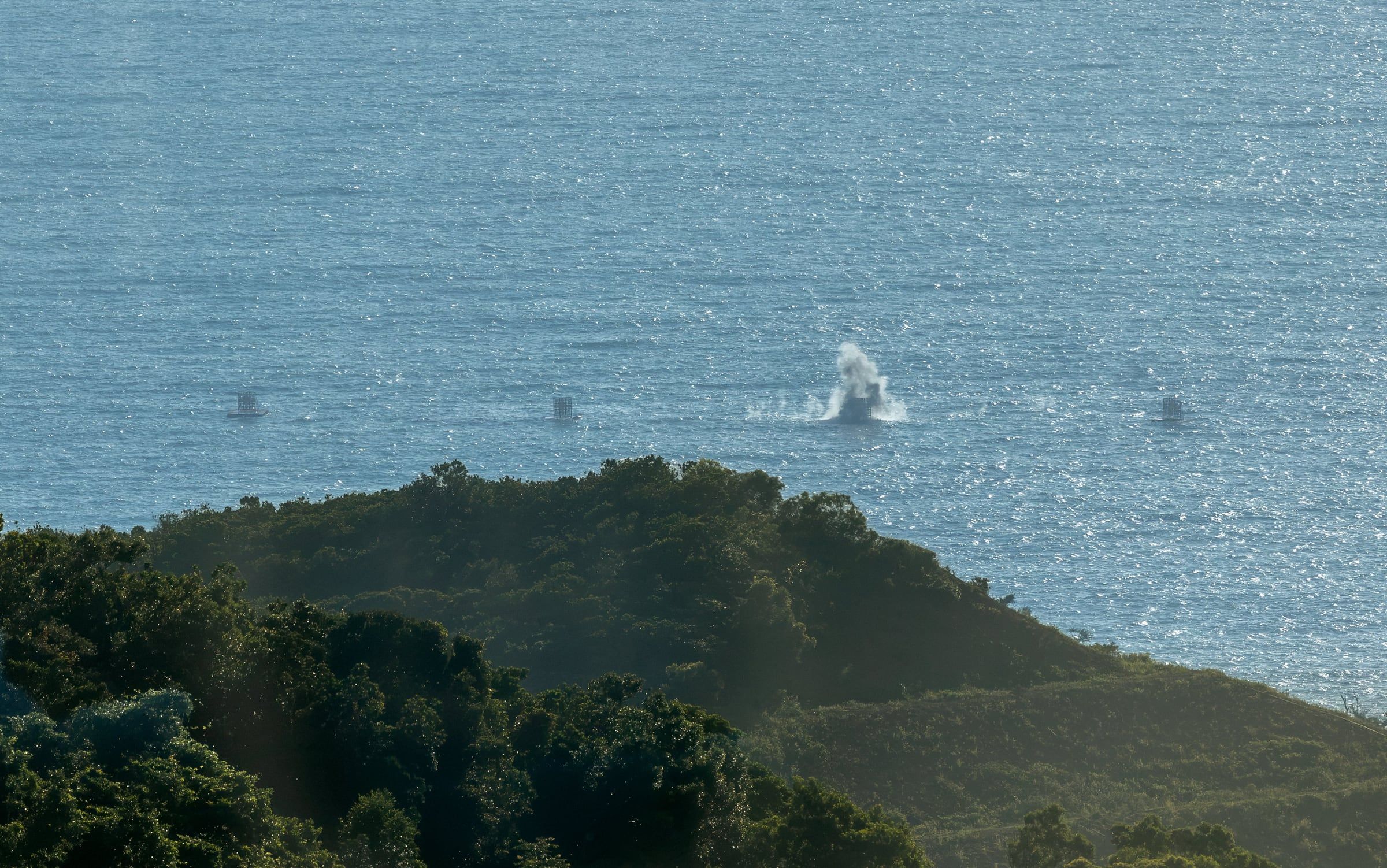
Image: A calm blue sea seen over a wooded headland, with four small square lattice targets floating in a straight line far offshore and a white column of spray rising from the third.
Analytical NoteStrategic context · Taiwan Strait

Taiwan's kill chain at Jiupeng: connected on the range, not yet shown under disruption

The defence ministry's own account describes more than weapons firing side by side: ship, air-control, radar and drone sensors joined through a battlefield network to missiles and attack drones across the services. What no published account yet shows is that chain working with its links jammed or its command nodes gone — a test Taiwan has so far published only for its wargame.

Published 2026-09-25 Confidence: Moderate

Read note

Territorial Defence Forces of Ukraine / mil.gov.ua · CC BY 4.0
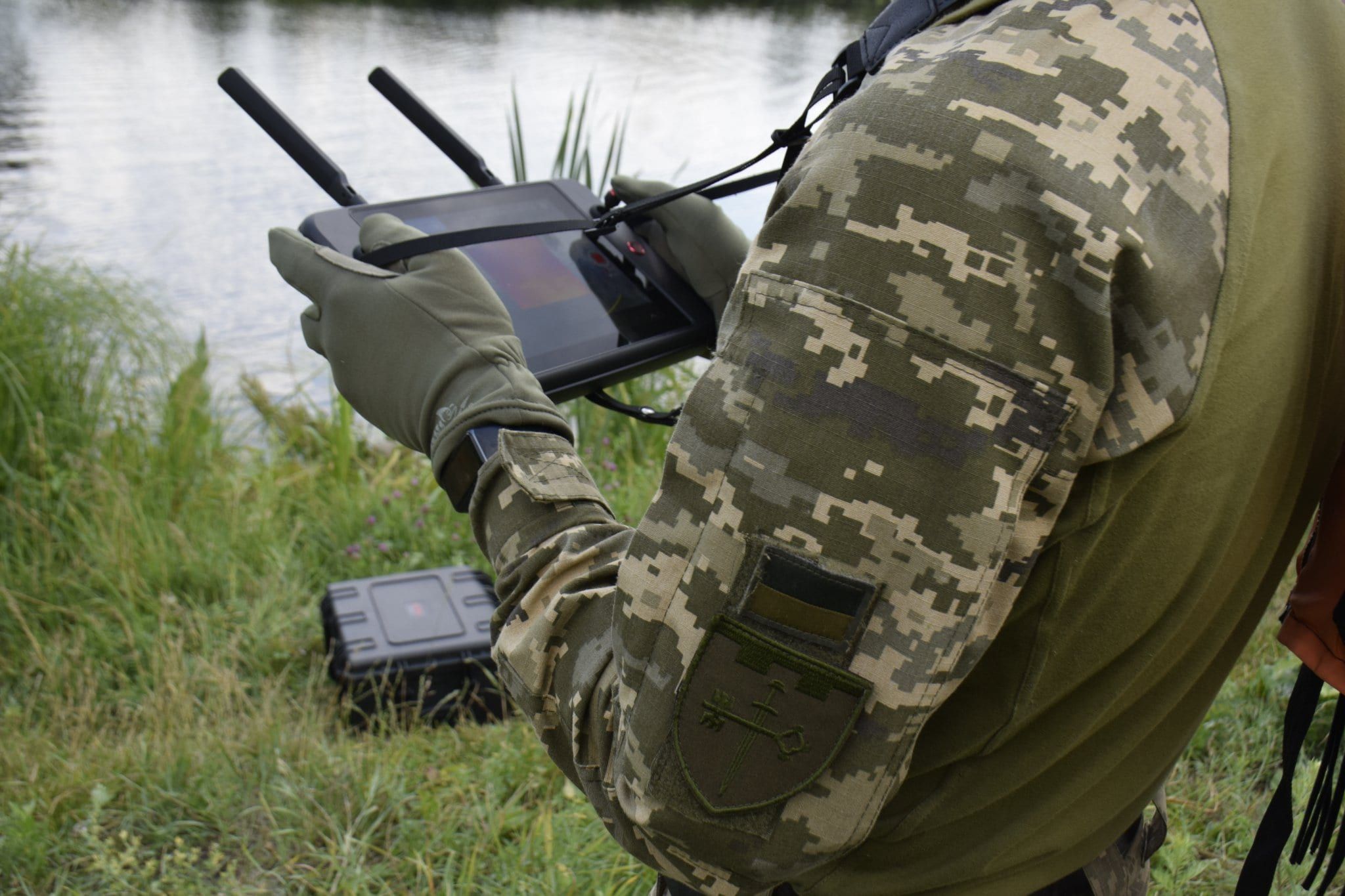
Image: Close view from behind of a soldier in pixelated camouflage holding a handheld drone controller with two antennas and a screen, a hard carrying case open on the grass beside him and water in the background.
Analytical NoteStrategic context · Sahel

Ukraine's drone expertise as foreign policy: what Mali adds, and what it does not

Kyiv has turned four years of drone war into an instrument it announces in the Gulf and will not confirm in the Sahel. The fifteen specialists reported in northern Mali are that instrument's least visible case, not its largest.

Published 2026-09-14 Confidence: Moderate

Read note

Fuad Al-Qrize · CC BY 4.0
Image: A wooden fishing boat drawn up on a sandy shore at dusk, with calm sea and a low horizon under an overcast sky.
Analytical NoteStrategic context · Iran–Gulf

The Makkah Agreement under pressure: what the Houthi escalation actually tests

Saudi Arabia, Türkiye and Pakistan have made a real collective-defence commitment and begun building institutions around it. The attacks of the last week test the part that is still missing — what turns the commitment into an identifiable response.

Published 2026-09-12 Confidence: Moderate

Read note

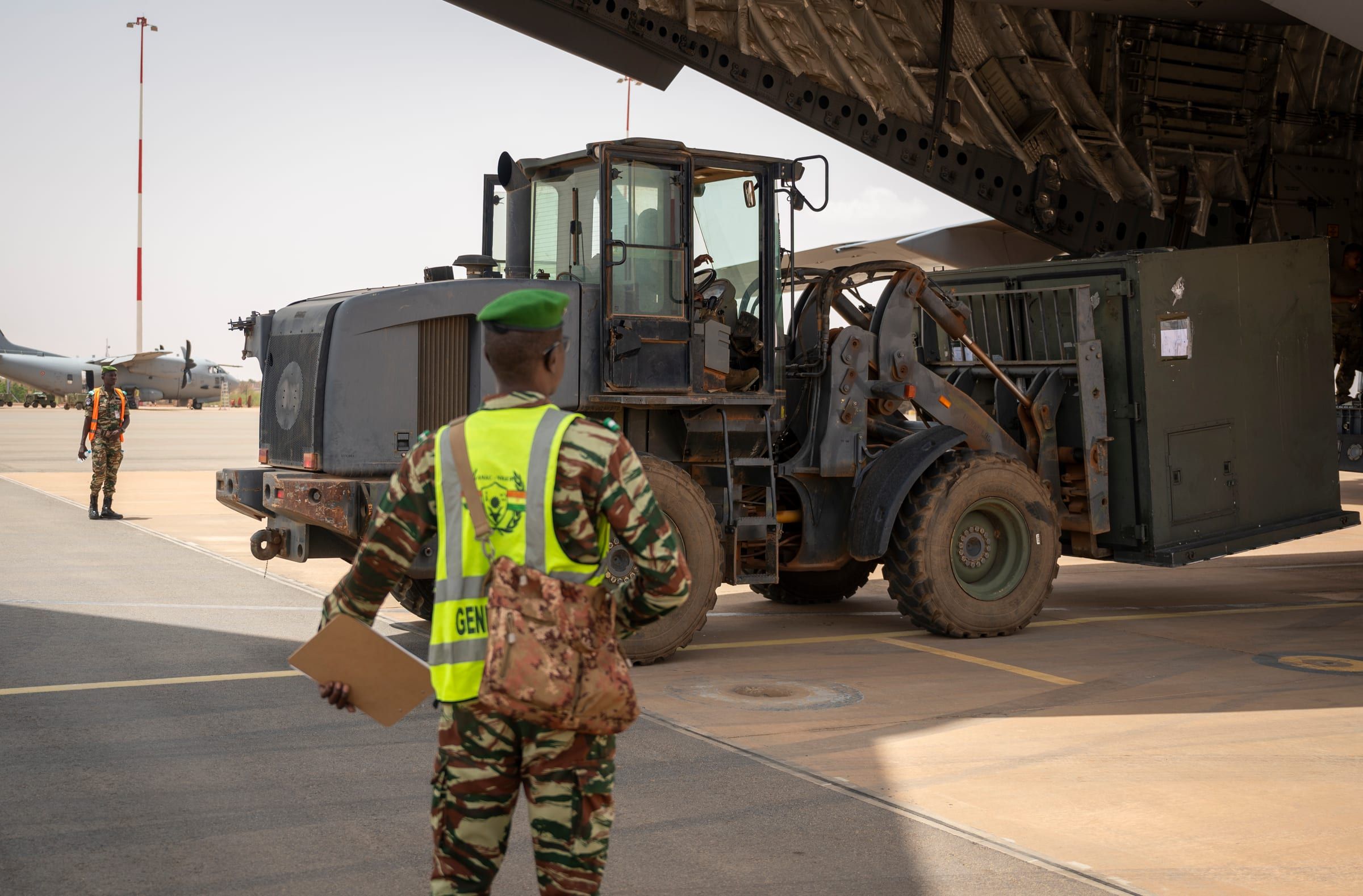
US Army / DVIDS · public domain
Image: Two Nigerien gendarmerie officers in uniform stand on an airfield apron watching a US Air Force C-17 transport aircraft being loaded with cargo.
Analytical NoteStrategic context · Sahel

Africa Corps in the Sahel: what changed, what did not

Russia's shift from Wagner to Africa Corps matters less as a change of mission than as a change in who in Moscow owns the presence — its contracts, its supply line and its public responsibility.

Published 2026-09-09 Confidence: Moderate

Read note

Analytical NoteThematic explainer · Ukraine–Russia

Ukraine's four air wars

Why success against drones says little about the missiles that get through

Published 2026-08-26 Confidence: Moderate

Read note

Analytical NoteStrategic context · Syria

Syria's airfield problem

Where Türkiye's and Israel's security perimeters actually overlap, and why it keeps producing strikes

Published 2026-08-23 Confidence: Moderate

Read note

Analytical NoteLeadership & institutions · Syria

Syria's one-army test

Command, Kurdish autonomy and the unfinished integration of the northeast

Published 2026-08-09 Confidence: Moderate

Read note

Analytical NoteLeadership & institutions · Ukraine–Russia

Ukraine's leadership reset

Command, reform and wartime pressure after the July 2026 reshuffle

Published 2026-07-22 Confidence: Moderate

Read note

Where this fits

The conflict pages hold the standing picture, and the Weekly Briefs record what changed in it week to week. Analytical Notes sit between the two: they take a single structural development and connect it back to the system. They are never breaking news and never carry operational detail. How Vigil grades, dates and sources its claims is set out in the methodology.